

The Supreme Court is set to hear a case that will decide whether lawsuits for retroactive damages from climate change can be heard in state courts.
Advocates argue the lawsuits are a way to hold fossil-fuel companies accountable. Following the Trump administration's revocation of the 2009 Endangerment Finding, which formed a legal basis for many emissions regulations, legal experts believe state-level lawsuits may have a better chance of succeeding. Similarly, they argue the government's decision to not regulate greenhouse-gas emissions opens the door for states and localities to create their own rules.
Corey Riday-White, managing attorney for the Center for Climate Integrity, said it's crucial to hold the oil and gas industry responsible for its contributions to the climate crisis.
"These suits call them out for their decades of deception," said Riday-White, "and say that under different tort theories or statutes, like consumer protection statutes, they should be held liable and forced to pay their fair share of the harm that their deception has caused."
Oil and gas advocates have argued so-called "make polluters pay" policies provide punishment without a fix. They warn these lawsuits could raise energy costs on consumers and penalize companies for legal behavior.
Meanwhile, Commonwealth lawmakers considered the Virginia Extreme Weather Relief Act this legislative session. The proposed law would have made fossil-fuel companies pay into a superfund for climate-related damages. The bill failed to pass out of committee.
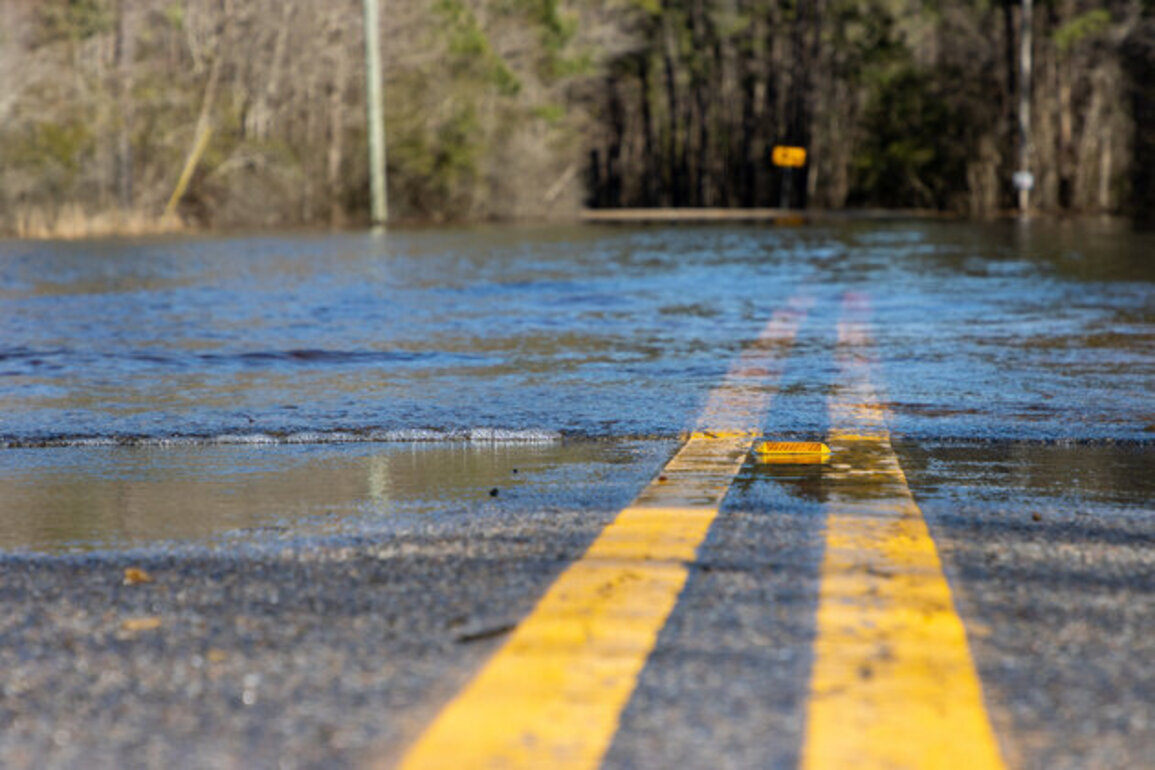
The Hampton Roads region of the Commonwealth sees more major flooding and storm surges than nearly anywhere else in the nation.
Jake Schwartz, federal campaign manager at the Chesapeake Climate Action Network, said the lawsuits could help fund projects meant to help communities remain prepared for severe weather events.
"There’s more flooding in our basements and more loved ones lost to storms," Schwartz said. "Those are all things that can be mitigated with really advanced resilience, and things like higher sidewalks to prevent flooding, more seawalls and more safety infrastructure."
Some conservative lawmakers in Congress have also suggested immunity waivers for fossil fuel companies from such lawsuits. However, no legislation containing that policy has been introduced in the current session of Congress.
Source: Public News Service