


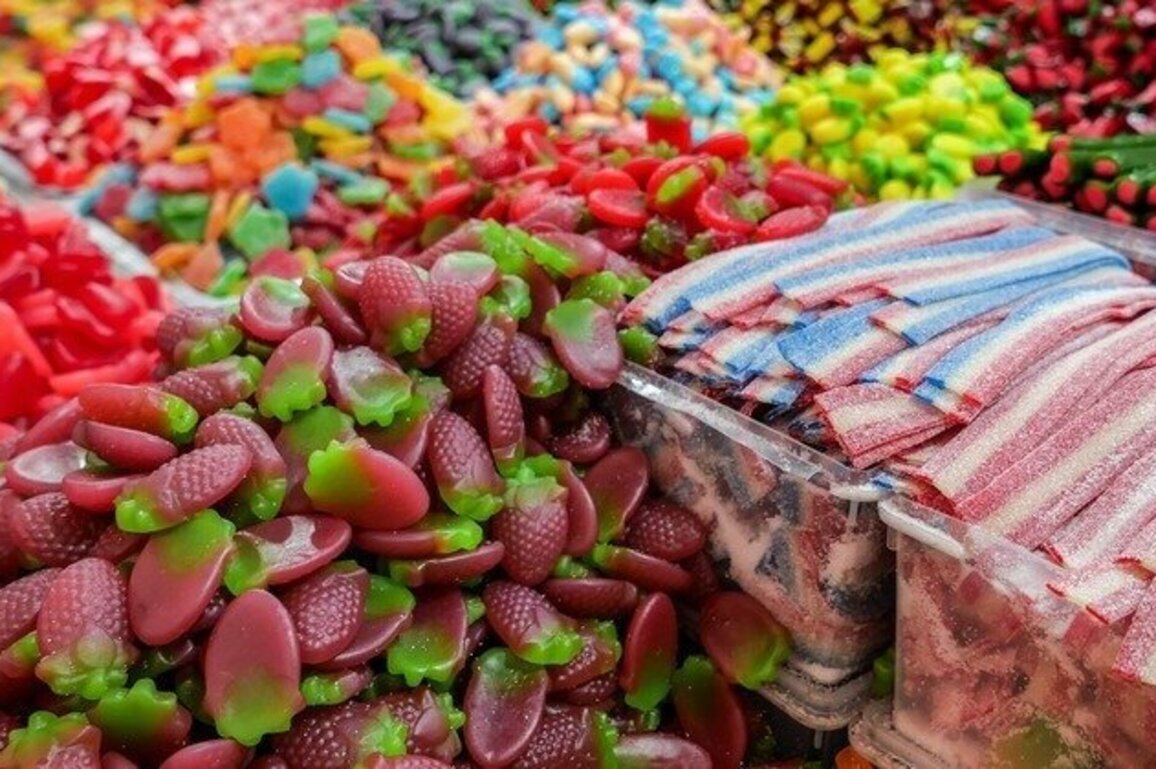
From hyperactivity to cancer, food dyes are known to cause health problems and the Trump administration's reversal to ban them could complicate the issue.
After taking the reins of the Food and Drug Administration, Health Secritary Robert F. Kennedy Jr. promised to remove artificial dyes from the U.S. food supply. But a proposal for an outright ban has turned into a voluntary agreement, with food manufacturers now asked to remove six synthetic, petroleum-based food dyes.
Thomas Galligan, principal food additives and supplements scientist at the Center for Science in the Public Interest, noted the additives can cause acute behavioral problems in children.
"They can become aggressive," Galligan pointed out. "They can have impacts on their sleep. And these types of effects, when children are being exposed over and over again, can add up and impact children's academic and social success."
Galligan added once a child stops consuming foods containing dyes, many symptoms go away, including behavioral problems.
Kennedy has defended the move toward the voluntary agreement as "progress," which should encourage food companies to adopt safer, naturally derived alternatives.
Unlike in the U.S., petroleum-based food dyes are strictly regulated in the European Union, which has caused food manufacturers to stop using them, rather than provide a warning label. Galligan argued marketing, not nutritional value, is why they are still on the shelves of American grocery stores.
"They're just used to help companies sell their product," Galligan contended. "When we have this clear risk and no real benefit for consumers, there's really no reason for the FDA letting companies use these with no restrictions and no regulations to actually protect kids."
In 2023, California became the first state to ban four specific food additives, including Red Dye No. 3. West Virginia also has banned some synthetic dyes and Texas passed a law to require warning labels. Galligan argued states, not the federal government, could ultimately be more influential players.
"I am optimistic that with the support of states, we can really pressure the FDA into enacting real reform," Galligan stressed. "Despite the historical failure for the FDA to do so."
Target, which has seen its market value drop roughly 65% since late 2021, said by the end of May, it would only carry cereals without certified synthetic colors.
Source: Public News Service