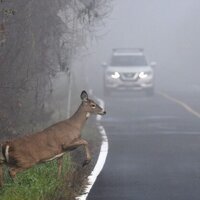


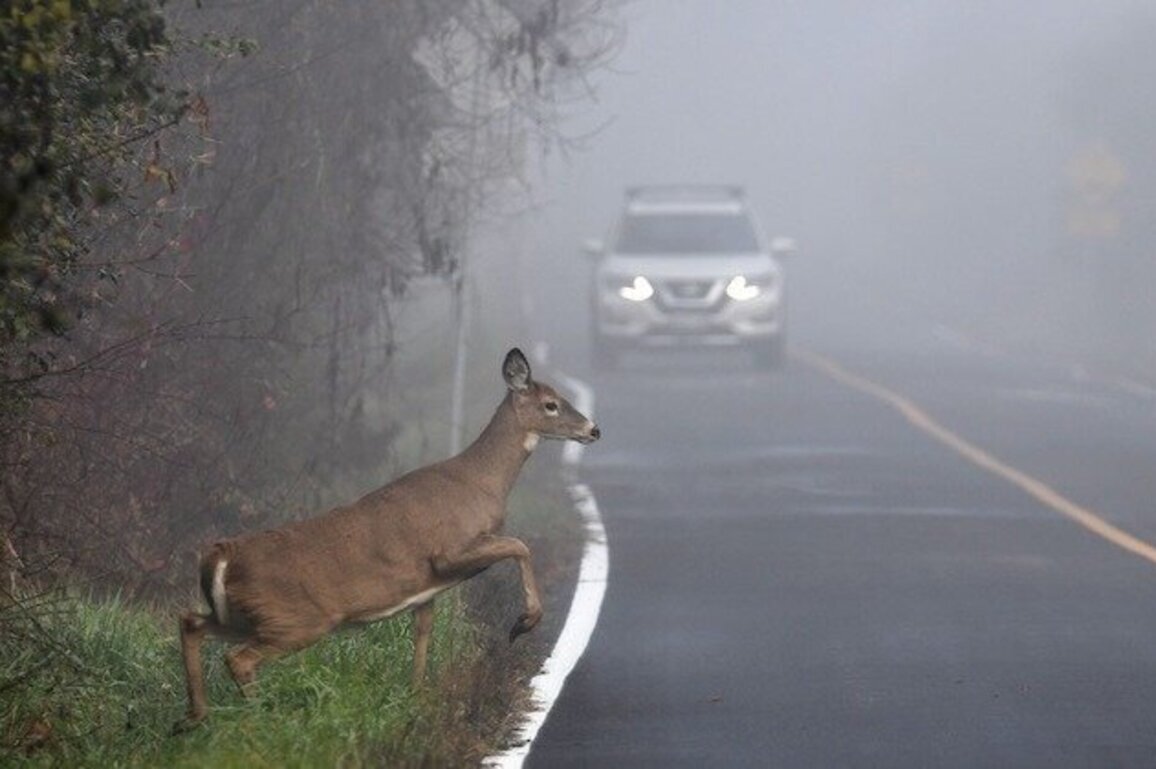
Animal-vehicle collisions are a leading cause of property damage, human fatalities, and wildlife deaths, particularly in West Virginia. Safety and animal welfare advocates are now asking lawmakers to establish a consistent source of public funding for wildlife crossings.
Experts said the paths help animals travel without venturing onto high-traffic roads, saving lives in the process.
Mike Jones, conservation manager for the West Virginia Rivers Coalition, said the Mountain State's road infrastructure could also use an overhaul.
"Potholes need to be repaired. Better lines of vision need to be done as well," Jones outlined. "But it's important to build these wildlife crossing areas to avoid the problem to start with."
Advocates want lawmakers to establish a permanent $200 million annual fund for wildlife crossings to expand projects initiated by the Biden-era bipartisan Infrastructure Law. The bill created a $350 million grant program over five years for construction of overpasses, underpasses and fencing to reduce wildlife-vehicle collisions.
Between 1 million and 2 million collisions with large species result in thousands of human injuries each year, hundreds of fatalities, and up to $8 billion in costs to Americans.
Bart Melton, senior director of wildlife for the National Parks Conservation Association, said for years, West Virginia has been consistently ranked number one in the nation for animal-vehicle collisions.
"That means drivers in West Virginia have a one in 40 chance of hitting an animal," Melton pointed out. "That's a lot higher than the national average of one in 139."
A 2023 survey by The Harris Poll for the National Parks Conservation Association found 87% of Americans support restoring or preserving wildlife habitat connectivity and migration corridors.
Source: Public News Service