

As the U.S. gears up for the 2030 Census, initial estimates show rural representation may shrink as more Americans move to urban and suburban areas.
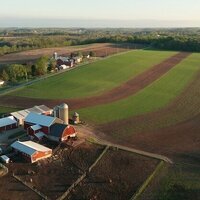
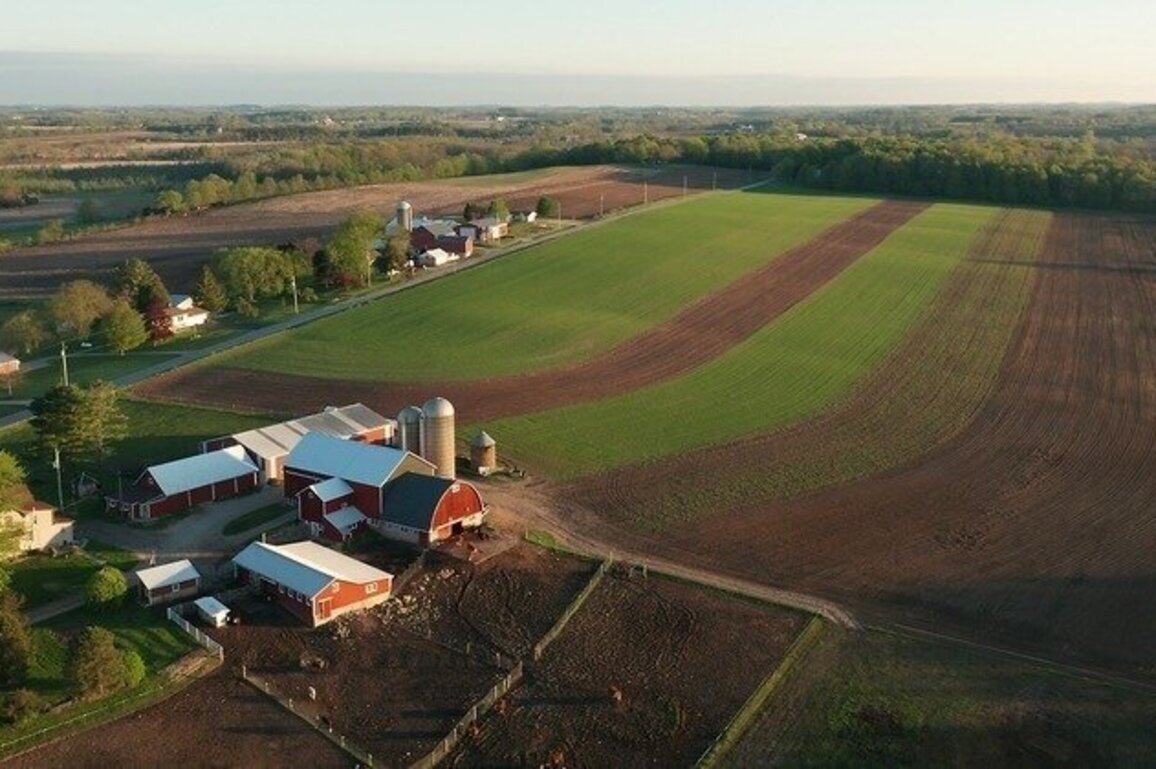
Population trends indicate more Americans are moving to cities or crowded metropolitan areas, particularly in Southern states. But in Virginia, rural areas have not experienced the same decline. In fact, outside of select localities in southwest Virginia, most rural counties are experiencing growth.
Sen. Creigh Deeds, D-Charlottesville, represents a rural district between Charlottesville and Lynchburg. He said any potential loss in representation for a rural area means its lawmakers have to work harder for the same issues.
"Communities that don’t grow are going to lose population," Deeds pointed out. "Representation has to shift with population. It just means you have to advocate louder for your issues."
Census data from last year show all but a handful of rural Virginia counties have experienced population growth, some by as much as 8%.
Driven by rapidly growing major cities like Charlotte, Fort Worth and Miami, Southern states will hold 40% of House seats for the first time in history. Deeds stressed as rural political power shrinks, it is important for lawmakers to tie their politics to more populated areas.
"When you’re in a rural area, you make your wins the wins for people in other parts of the state, too," Deeds underscored. "You’ve got to make it work for everybody, and you’ve got to be more active and work harder, I think, if you’re a rural legislator."
According to the Virginia Department of Health, a little more than a quarter of people in the Commonwealth live in rural areas.
Source: Public News Service