


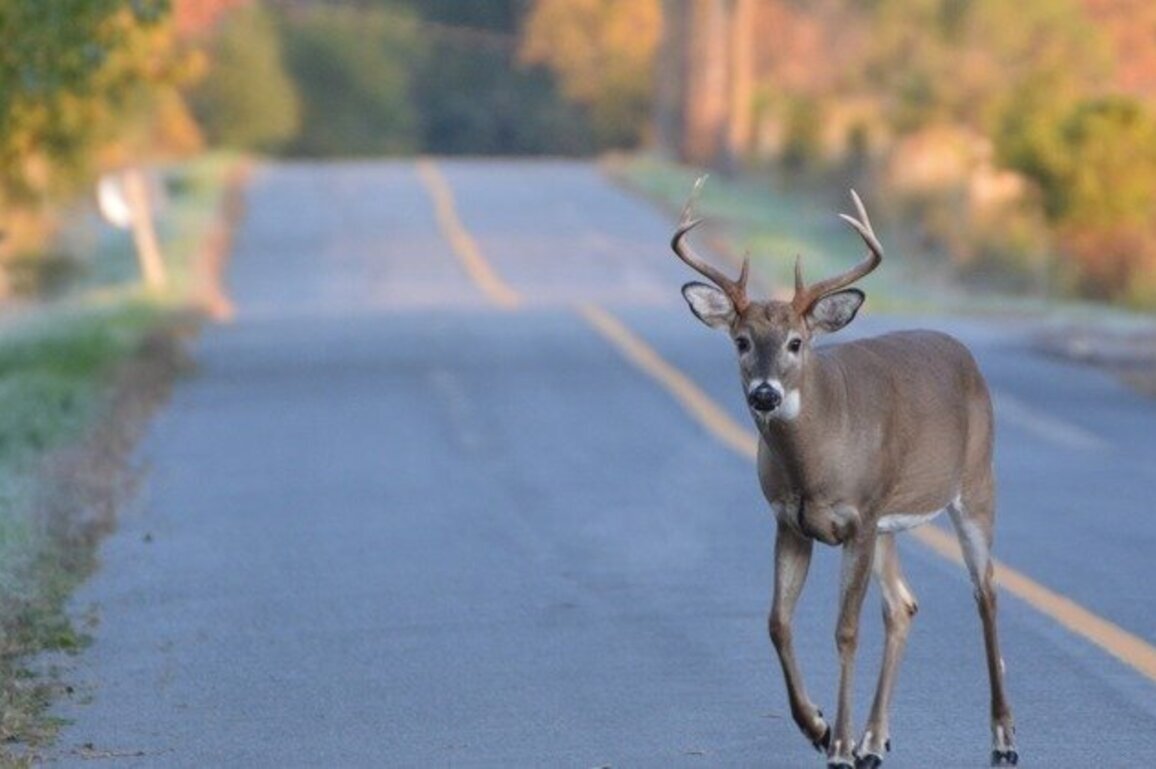
To protect wildlife and spare motorists from large repair bills, a new Virginia law creates a funding mechanism to construct wildlife corridors across the Commonwealth.
The Wildlife Corridor Grant Fund was signed into law last month.
Misty Boos, U.S. conservation policy manager for the advocacy group Wildlands Network, said the corridors would work to funnel wildlife into tunnels along collision hot spots. Unlike large overpasses in the western U.S. for large mammal migrations, she pointed out the corridors, with the right fencing or netting, are relatively affordable to produce.
"We can figure out where the hot spots are, where most of those crashes are occurring because they do have patterns," Boos explained. "We can put these lower-cost crossings in place where they can make a big difference."
Virginia has one of the highest rates of wildlife-vehicle collisions in the country, with more than 60,000 collisions annually. Those collisions cost Virginians $500 million a year.
People would have the option to voluntarily put money in the fund during transactions at the Department of Motor Vehicles and on their income tax returns. Boos noted similar programs in other states have been successful in receiving donations to support corridor projects.
"People really do donate to these causes," Boos observed. "Throughout the country, we have been very impressed with how folks will really step up and donate for wildlife crossings. We're sure that’s going to be true in Virginia as well."
According to the group Wild Virginia, wildlife corridors could drastically reduce collisions with cars by as much as 90%.
Source: Public News Service