

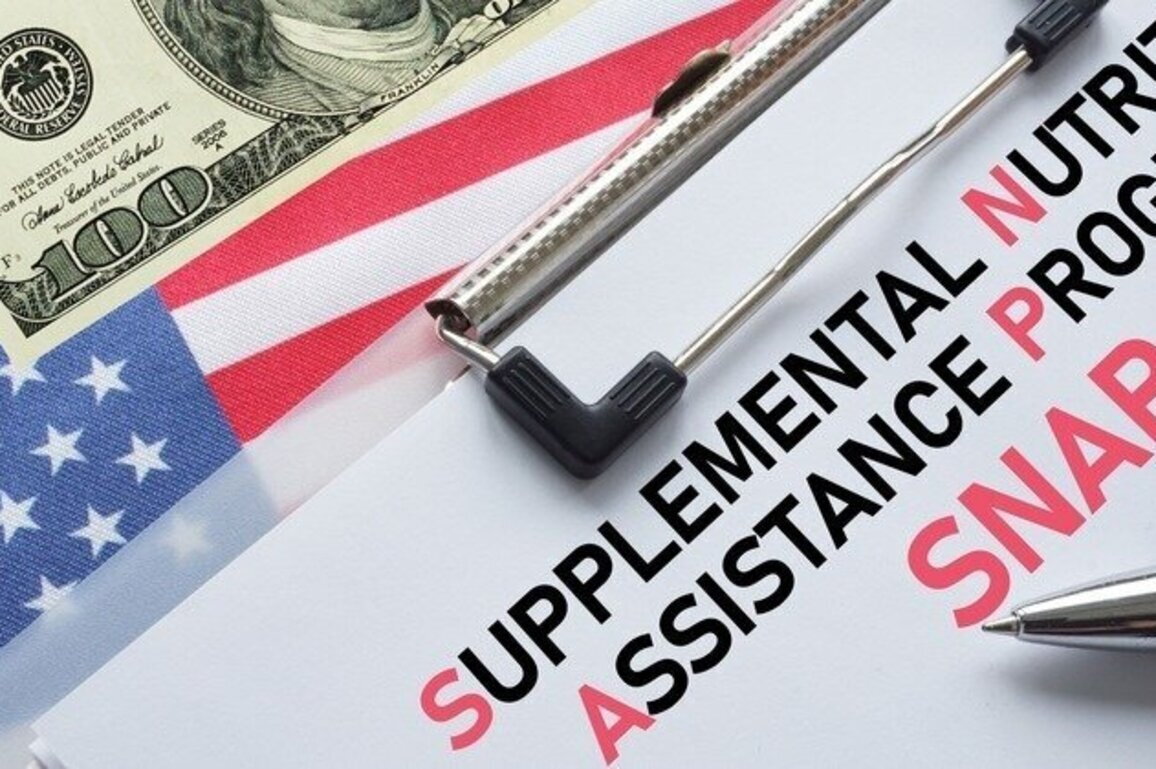
Changes to a federal program designed to help low-income families receive food assistance are not sitting well with the nonprofit West Virginia Center on Budget and Policy.
Beginning in November 2025, the state began implementing new federal SNAP restrictions linked to the Trump administration's “One Big Beautiful Bill Act.” Able-bodied adults without dependents must work at least 80 hours per month, participate in a qualified work program or job training for at least 80 hours per month, or participate in volunteer work or community service for 80 hours per month to receive benefits.
Rhonda Rogombé, health and safety net policy analyst at the center, said residents who meet the requirements can still lose access if they fail to report their hours.
"A person can be working a full-time job but if the SNAP agency doesn't know that, then they are out of compliance with the work requirement," Rogombé explained. "Not only do you need to meet that requirement, you also need to make sure to report that or an exemption."
Many Cabell and Mingo county residents face barriers she believes are being overlooked, like a lack of jobs, reliable transportation and childcare. Rogombé pointed out some residents face homelessness or have a felony conviction, which makes it difficult to get hired.
Those who fail to meet the employment mandates are limited to three months of SNAP benefits within a three-year period. This rule leaves questions about what options, if any, are available to former recipients.
The West Virginia Center on Budget and Policy is prioritizing helping residents who have lost benefit coverage find ways back to the “safety net” if they still qualify.
"We are working with different organizations to make sure that people know what changes are coming and how to comply with them," Rogombé emphasized. "And know what the requirements are, where the exemptions are, and how to report those things."
Rogombé affirmed her organization will continue to work alongside and support its charitable food providers, who will bear the brunt of providing food once people lose access to SNAP. One message she wants understood is adding barriers to food access does not increase employment levels.
Source: Public News Service